Esophageal Cancer Surgery in Noida
Difficulty swallowing that gets worse over weeks is the classic first sign of food-pipe cancer. Removing the oesophagus (esophagectomy) is a major operation — and doing it through keyhole ports in the chest and abdomen, rather than two large cuts, has transformed recovery. Dr Manoj Gupta performs minimally invasive (thoraco-laparoscopic) and robotic esophagectomy, timed after chemoradiotherapy where that improves the chance of cure.
Do these symptoms sound familiar?
- Food sticking in the chest — first solids, then liquids (progressive dysphagia)
- Weight loss, chest pain or pain on swallowing
- Endoscopy and biopsy showing squamous cell carcinoma or adenocarcinoma of the oesophagus
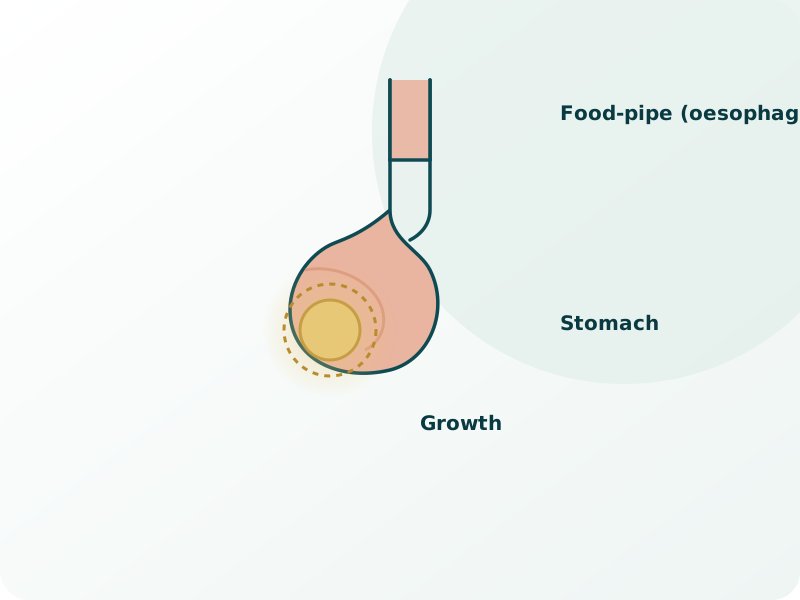
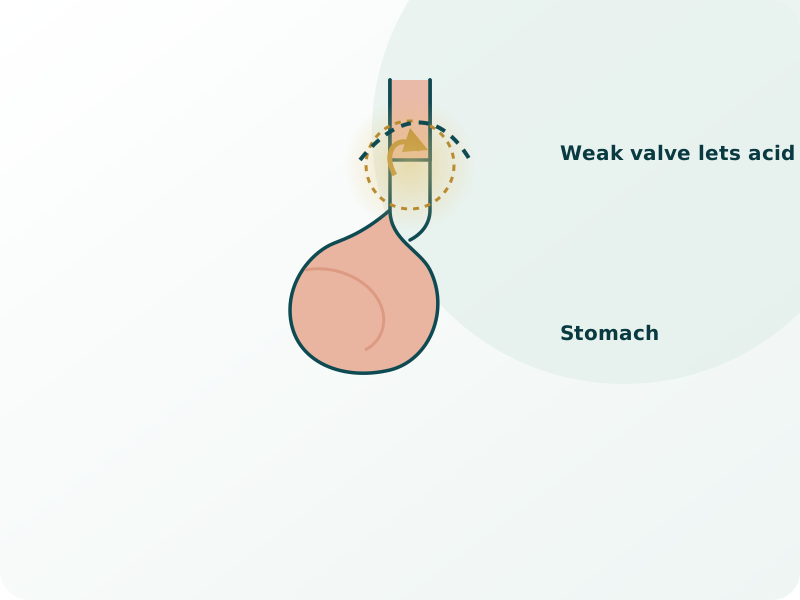
- Long-standing acid reflux or Barrett's oesophagus with a new growth
- Hoarseness, persistent cough or vomiting blood in advanced disease
When not to wait
Go to the hospital emergency or call +91 98180 40155 the same day if you have:
- Severe pain that does not settle in a few hours
- Fever with abdominal pain, or vomiting that won't stop
- Yellow eyes, dark urine or black stool
- A swelling that cannot be pushed back
How Dr Gupta treats it
- Staging with PET-CT and endoscopic ultrasound; bronchoscopy for upper tumours
- Chemoradiotherapy or chemotherapy before surgery for locally advanced tumours (CROSS-type protocols)
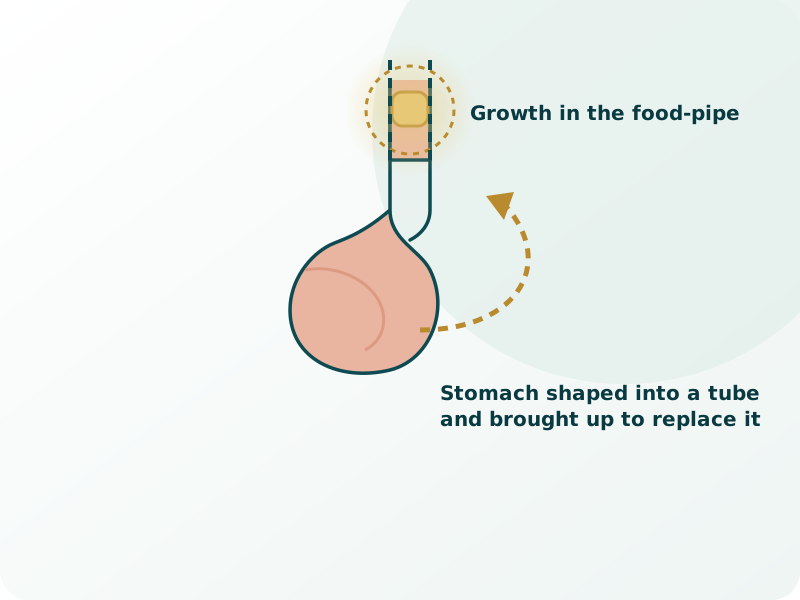
- Minimally invasive Ivor Lewis or McKeown esophagectomy: chest and abdominal steps through small ports; the stomach is fashioned into a tube to replace the food-pipe
- Robotic esophagectomy for precise lymph node dissection around the airway and the voice-box nerves
- Feeding jejunostomy, early mobilisation and a swallow study before oral diet
Esophageal (Food-pipe) Cancer Surgery at a glance
Typical figures for an uncomplicated case; Dr Gupta will give you numbers for your own situation.
What to expect, step by step
Consultation
Reports reviewed on screen, examination, honest advice on whether surgery is needed.
Tests & fitness
Ultrasound/CT/MRI as needed, blood tests, anaesthesia check, insurance pre-approval.
Surgery
Laparoscopic, robotic or open at Yatharth Hospital, Greater Noida. Family briefed immediately after.
Recovery & follow-up
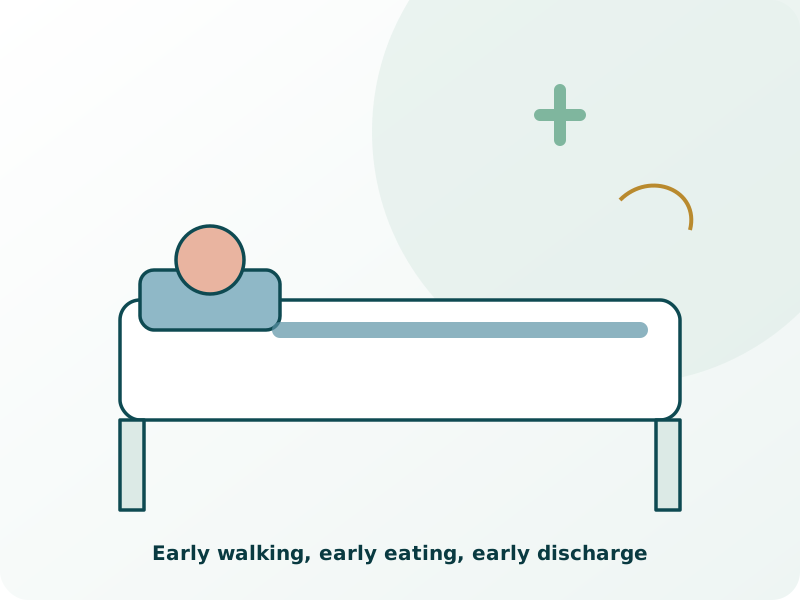
Early walking and eating, discharge plan, follow-up at the hospital, the Indirapuram clinic or by video.
Why choose Dr Manoj Gupta for esophageal (food-pipe) cancer surgery in Noida
- Onco-surgical training at Safdarjung Hospital plus two decades of upper GI surgery
- The minimally invasive approach reduces lung complications — the main risk of this operation
- Multidisciplinary tumour board with medical and radiation oncology at Yatharth Hospital
- Nutrition team involved from the first visit; most patients regain weight before surgery
Searching for "esophageal cancer surgeon Noida" or "food pipe cancer surgery Delhi NCR"? Dr Gupta consults at Yatharth Super Speciality Hospital, Greater Noida and at his Indirapuram clinic in the evening — convenient for patients from Noida, Ghaziabad, East Delhi, and from Meerut, Bulandshahr, Hapur, Muzaffarnagar and Roorkee by expressway.
Why choose Dr Manoj Gupta for esophageal (food-pipe) cancer surgery
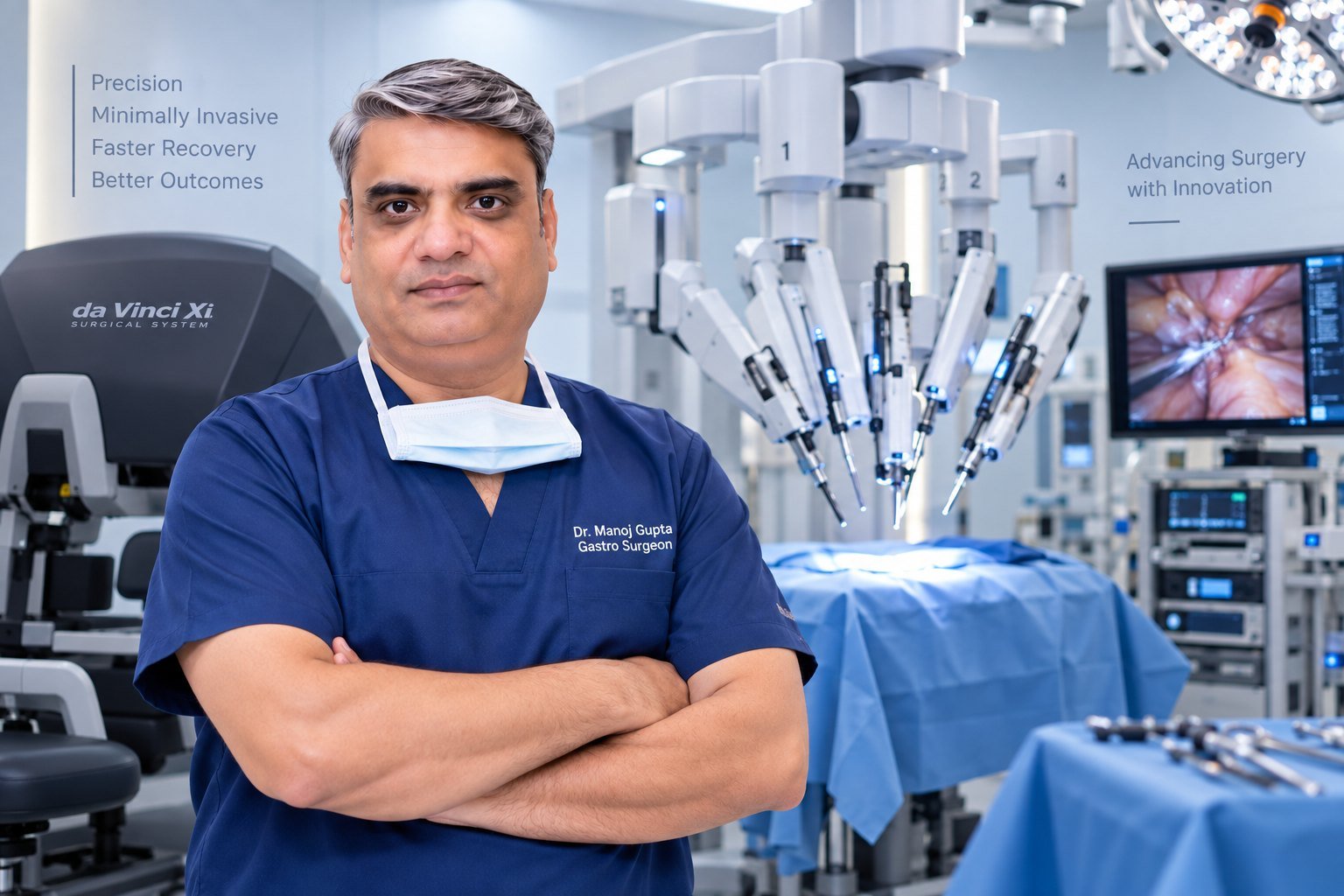
- Senior Director & Head of Robotic and Laparoscopic GI Surgery at Yatharth Super Speciality Hospital — full robotic suite, liver ICU and 24×7 emergency team.
- Trained where the difficult cases go: DNB in GI Surgery at Sir Ganga Ram Hospital, liver transplant fellowships at Apollo and Ganga Ram.
- 500+ liver transplants — the bleeding control and bile-duct skills that make every abdominal operation safer.
- Straight answers. Dr Gupta reviews your scans himself and only recommends surgery when it will help.
Questions patients ask about esophageal (food-pipe) cancer surgery
Is esophageal cancer curable?
Early tumours and many locally advanced tumours are curable with combined chemoradiotherapy and complete surgery. The chance of cure depends mainly on the stage at diagnosis — do not wait if swallowing is getting harder.
How will I eat after the food-pipe is removed?
The stomach is shaped into a tube and joined to the remaining oesophagus in the chest or neck. You eat by mouth again once the join has healed, usually within 7–10 days, starting with liquids and progressing to small, frequent meals.
What is the hospital stay after minimally invasive esophagectomy?
Typically 8–12 days, with 1–2 days in ICU. Most patients are walking on day 1 and go home on a soft diet.
Can surgery be avoided with chemotherapy and radiation alone?
For some squamous cancers — particularly in the upper oesophagus, or in patients unfit for surgery — definitive chemoradiation is an option. For most fit patients, surgery after chemoradiation gives the best local control. Dr Gupta will explain which path suits you.
Not sure if you need surgery? Ask first.
Bring your reports for a clear, honest opinion. Same-day and evening appointments available.