Low Anterior Resection for Rectal Cancer in Noida
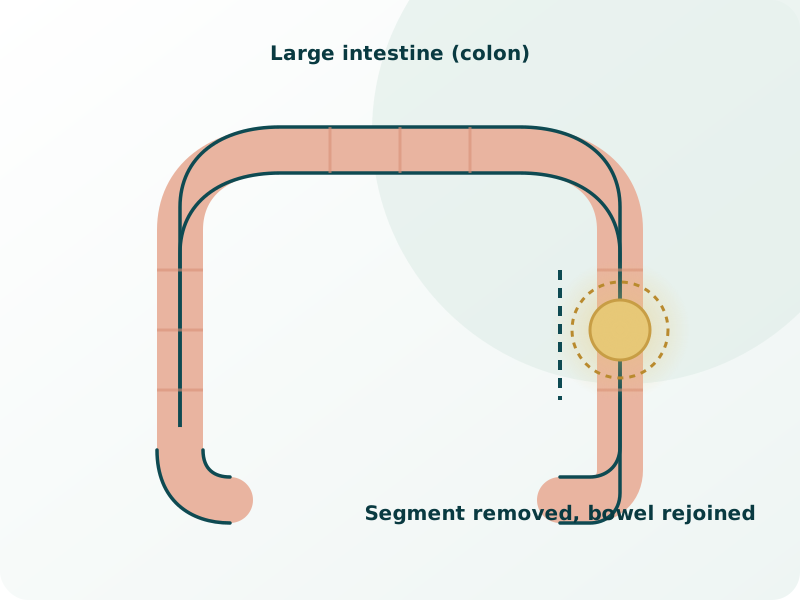
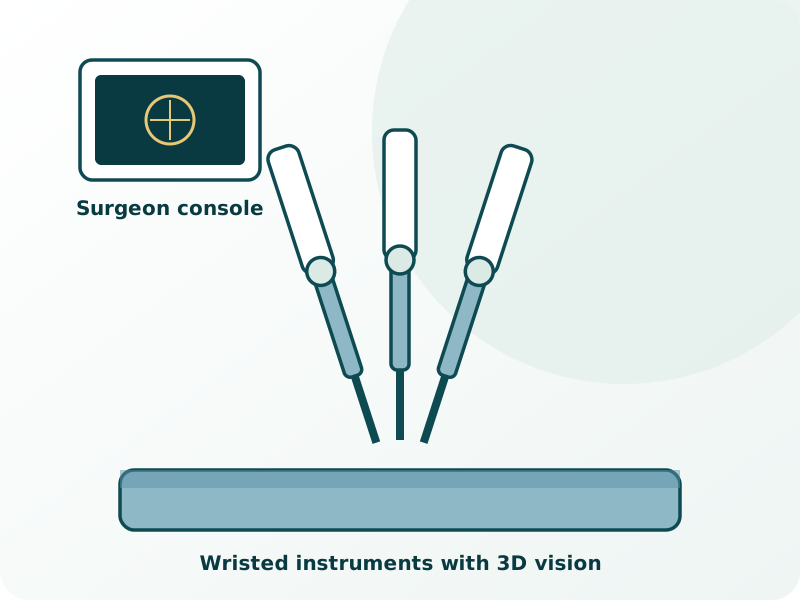
Low anterior resection removes the cancerous rectum together with its surrounding fatty envelope (total mesorectal excision) while preserving the anal sphincter — so the patient can pass stool normally, without a permanent colostomy. Deep in the narrow pelvis, the wristed instruments and 3D vision of the robot make this precision possible.

Before surgery
MRI of the pelvis stages the tumour. For tumours close to the sphincter or with threatened margins, chemoradiotherapy (5 weeks, or a short 5-day course) is given first to shrink the tumour and improve the chance of sphincter preservation.
The operation
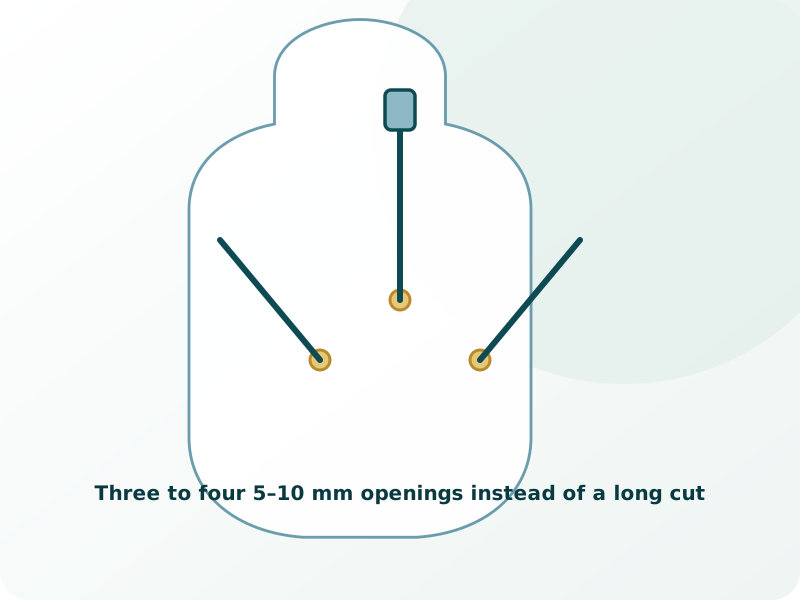
Through robotic ports, the rectum is dissected in the anatomical plane outside the mesorectum, keeping the pelvic nerves that control bladder and sexual function intact. The bowel is joined low in the pelvis with a stapler. A temporary ileostomy protects the join in low anastomoses and is reversed after 8–12 weeks.

Results that matter
Complete mesorectal excision with clear margins is the strongest predictor of cure. Robotic surgery reduces conversion to open surgery in obese patients and narrow male pelvises, and helps preserve urinary and sexual function.
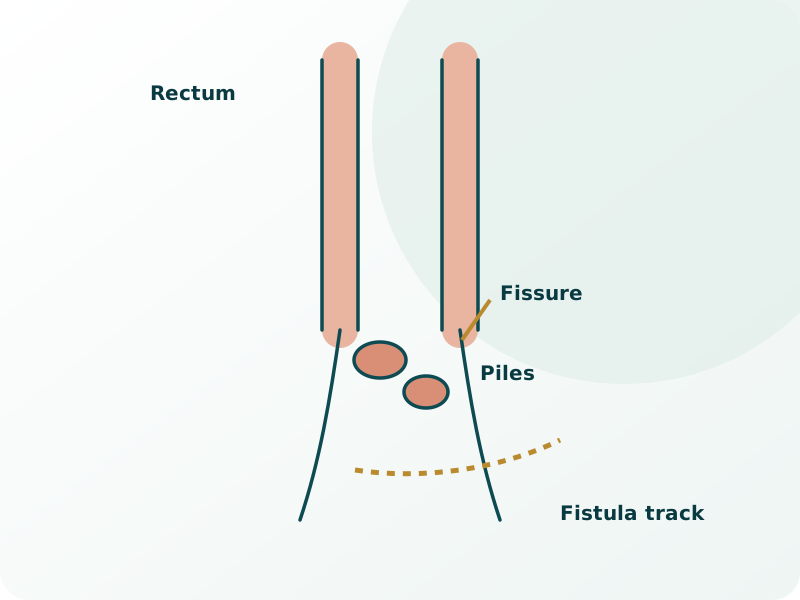
Conditions treated with low anterior resection (rectal cancer)

Why choose Dr Manoj Gupta for low anterior resection (rectal cancer)
- Senior Director & Head of Robotic and Laparoscopic GI Surgery at Yatharth Super Speciality Hospital — full robotic suite, liver ICU and 24×7 emergency team.
- Trained where the difficult cases go: DNB in GI Surgery at Sir Ganga Ram Hospital, liver transplant fellowships at Apollo and Ganga Ram.
- 500+ liver transplants — the bleeding control and bile-duct skills that make every abdominal operation safer.
- Straight answers. Dr Gupta reviews your scans himself and only recommends surgery when it will help.
Questions about low anterior resection (rectal cancer)
Can every rectal cancer be treated without a permanent bag?
Most can. Only tumours that invade the sphincter muscle itself need abdominoperineal resection with a permanent colostomy — and even here, chemoradiotherapy sometimes converts a case to sphincter-saving surgery.
What is 'LARS'?
Low anterior resection syndrome — urgency and frequent stools after a very low join. It improves over 6–12 months with diet, pelvic floor exercises and medicines, and Dr Gupta's team follows patients through it.
Other procedures
Not sure if you need surgery? Ask first.
Bring your reports for a clear, honest opinion. Same-day and evening appointments available.