International patients: liver transplant and GI cancer surgery in India
Patients from Uzbekistan, Somalia and across Central Asia, Africa and the Middle East have travelled to Dr Manoj Gupta for liver transplant, liver tumour and GI cancer surgery. The journey starts with your reports — send them on WhatsApp and get an honest opinion and a treatment estimate before you book a flight.
Why families travel to Dr Gupta
A surgeon, not a broker
You deal directly with Dr Gupta's team from the first message. No agents, no middlemen, no commission built into your estimate.
500+ liver transplants
Two decades of liver transplant and hepatobiliary surgery, with a dedicated liver ICU and blood bank at Yatharth Super Speciality Hospital, Greater Noida.
A fraction of Western cost
Liver transplant and major cancer surgery in India cost a fraction of the price in the US, UK or Gulf countries, with outcomes at experienced centres that match international benchmarks.
One hour from the airport
Yatharth Hospital, Greater Noida is about an hour by road from Delhi's Indira Gandhi International Airport, with direct flights from Tashkent, Nairobi, Addis Ababa, Dubai, Dhaka, Kathmandu and most regional hubs.
Patients who made the journey
Shared with their consent.
What the international patient desk arranges
- Opinion on your reports and a written treatment estimate — usually within 48 hours
- Medical-visa invitation letter for the patient and attendants
- Airport pickup and accommodation near the hospital for the family
- Interpreters (Russian, Arabic, French, Somali, Swahili, Bengali and others on request)
- A single international coordinator for admission, paperwork and daily updates
- Dietary needs, prayer space and family visiting arrangements
- Fit-to-fly assessment, discharge summary for your home doctor and video follow-up after you return
How it works
Send your reports
WhatsApp your scans, blood tests and previous treatment notes to +91 98180 40155, or use the form on the contact page.
Get an opinion and estimate
Dr Gupta reviews the imaging himself. You receive a written opinion: whether surgery will help, what operation is advised, the expected stay and the cost estimate.
Visa, travel and arrival
The international desk issues the medical-visa invitation letter, arranges airport pickup and accommodation, and books your admission or OPD date.
Treatment, recovery and return
Surgery, ICU and ward care with a coordinator updating the family daily; then a fit-to-fly check, discharge summary and video follow-up from home.
Liver transplant for international patients
- In India, a living liver donor must be a near relative of the patient (spouse, parent, child, sibling, grandparent or grandchild). For foreign nationals, the relationship is verified with passports, a family-tree affidavit and a letter from your embassy — the hospital's transplant coordinator guides you through this.
- Deceased donor (cadaveric) transplant is generally not available to foreign nationals in India; a living donor from the family is the route to plan for.
- Both patient and donor should travel together for evaluation. Evaluation takes about 1–2 weeks, followed by authorisation committee approval and surgery.
- Plan for a total stay of 6–8 weeks for a liver transplant (donor can usually return earlier), and 2–4 weeks for major liver, pancreatic or GI cancer surgery.
International patient stories
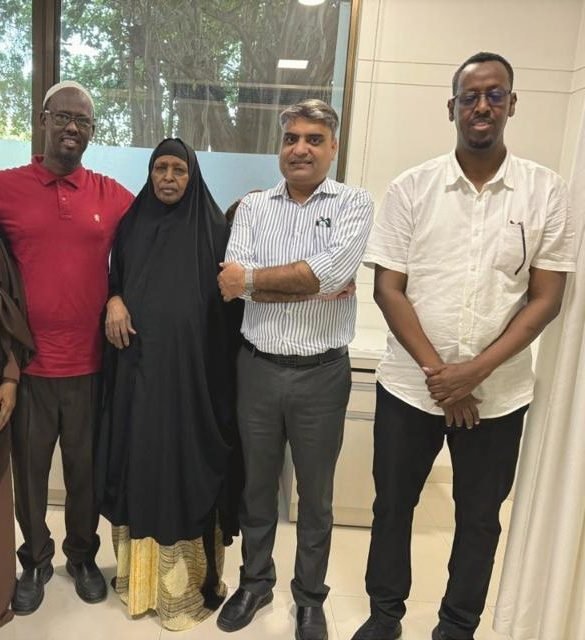
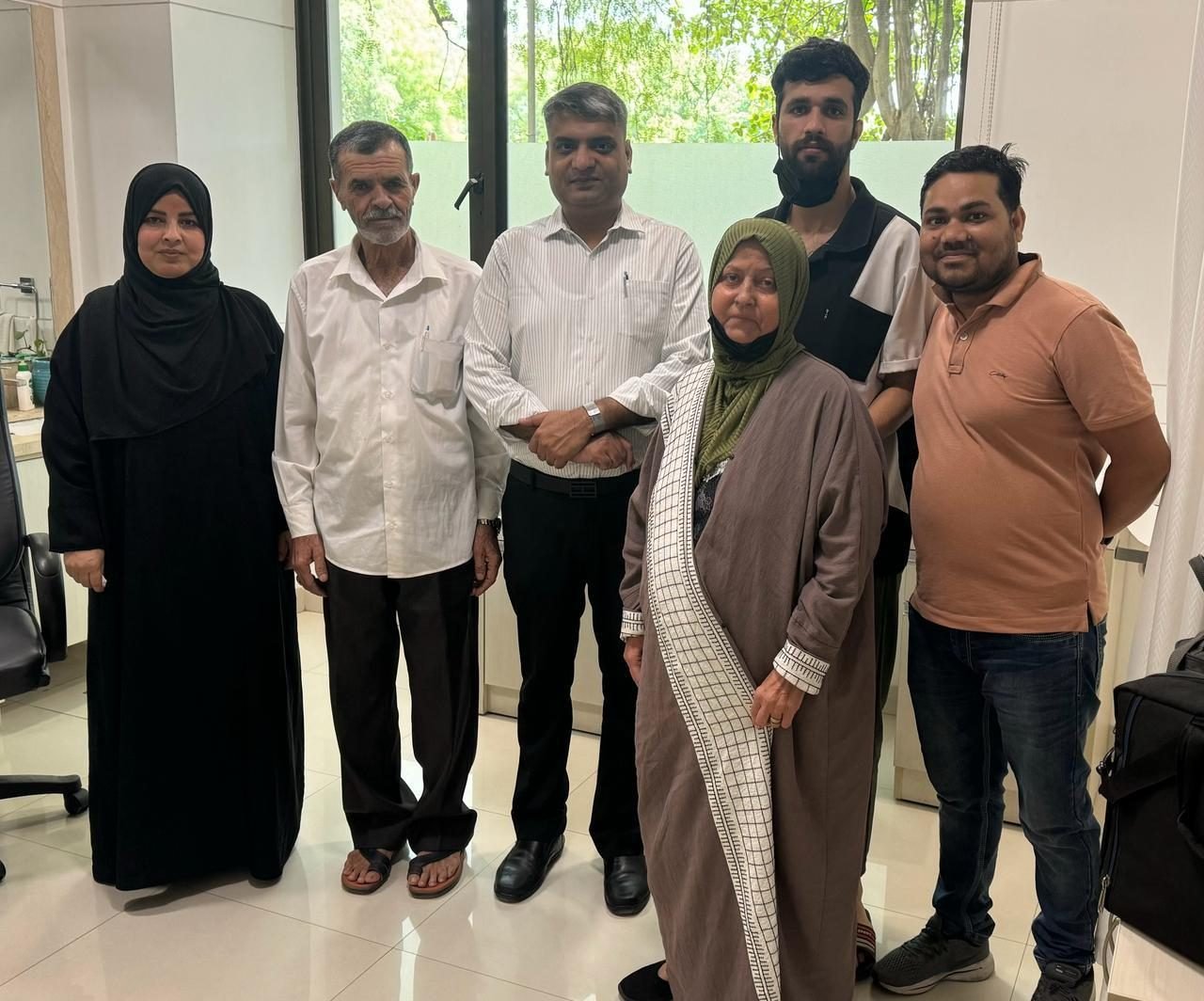
International PatientFrom Somalia at 70: major liver tumour surgery, then the flight home
A large liver tumour, a 70-year-old patient and a journey of roughly 4,000 km to Greater Noida. Here is the family in the OPD on the day they were cleared to fly home after a successful operation.
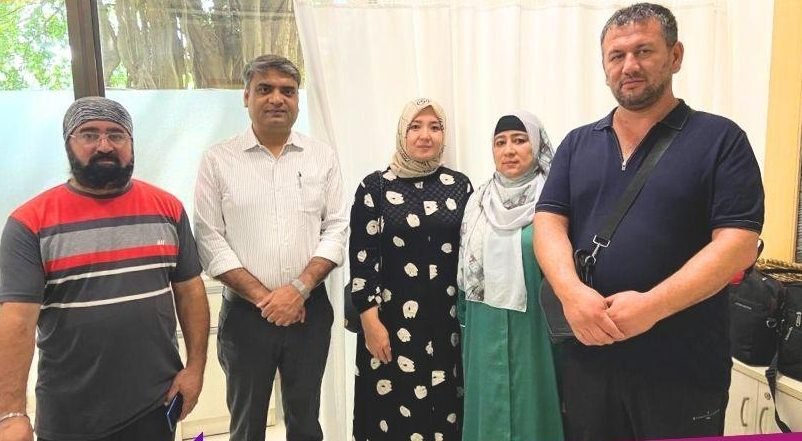
Read the story →International PatientA life-changing liver operation, then the flight back to Uzbekistan
The family travelled from Uzbekistan for liver surgery that was not available to them at home. This is their farewell photograph with Dr Gupta on the day they were cleared to return.
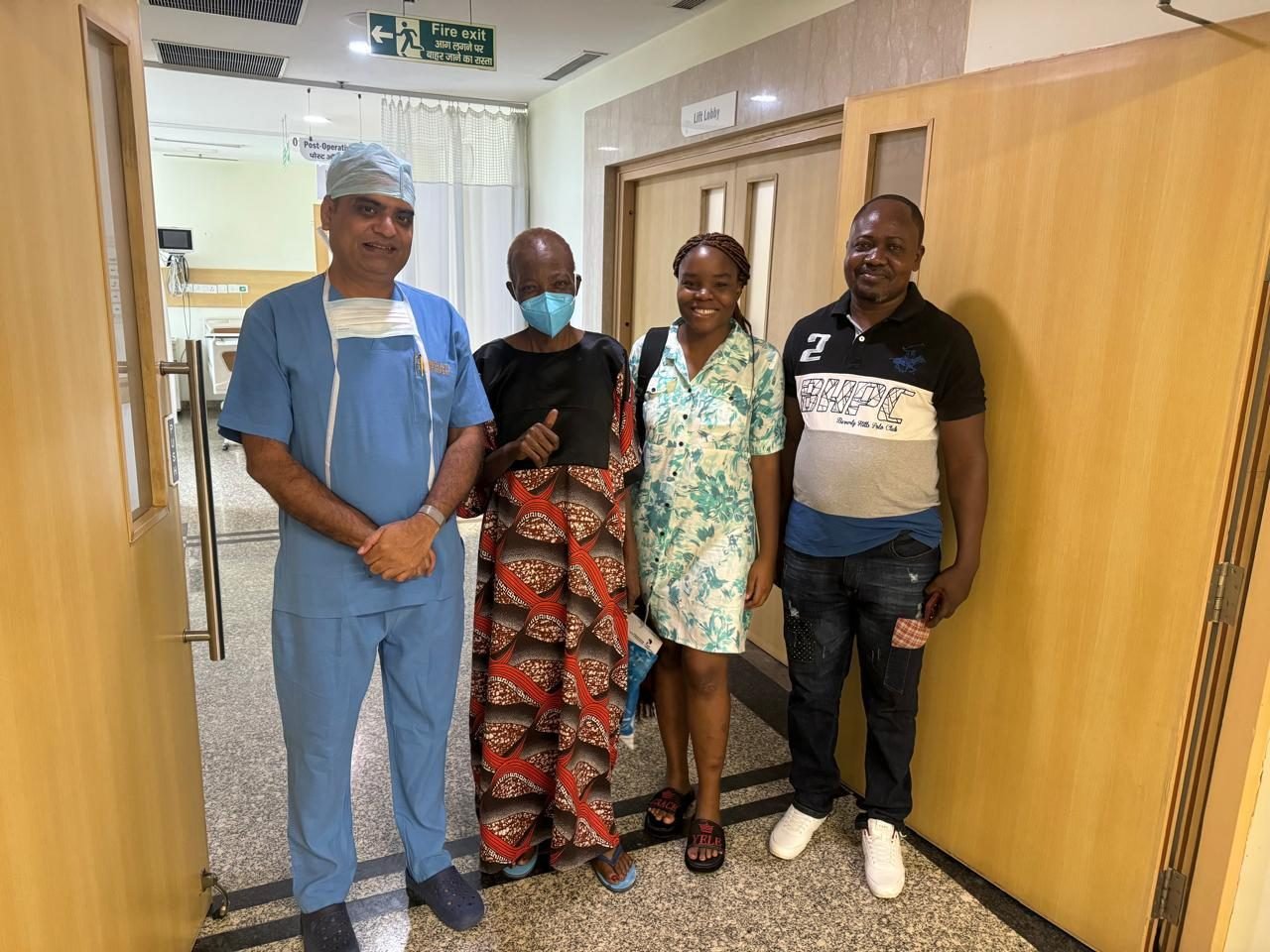
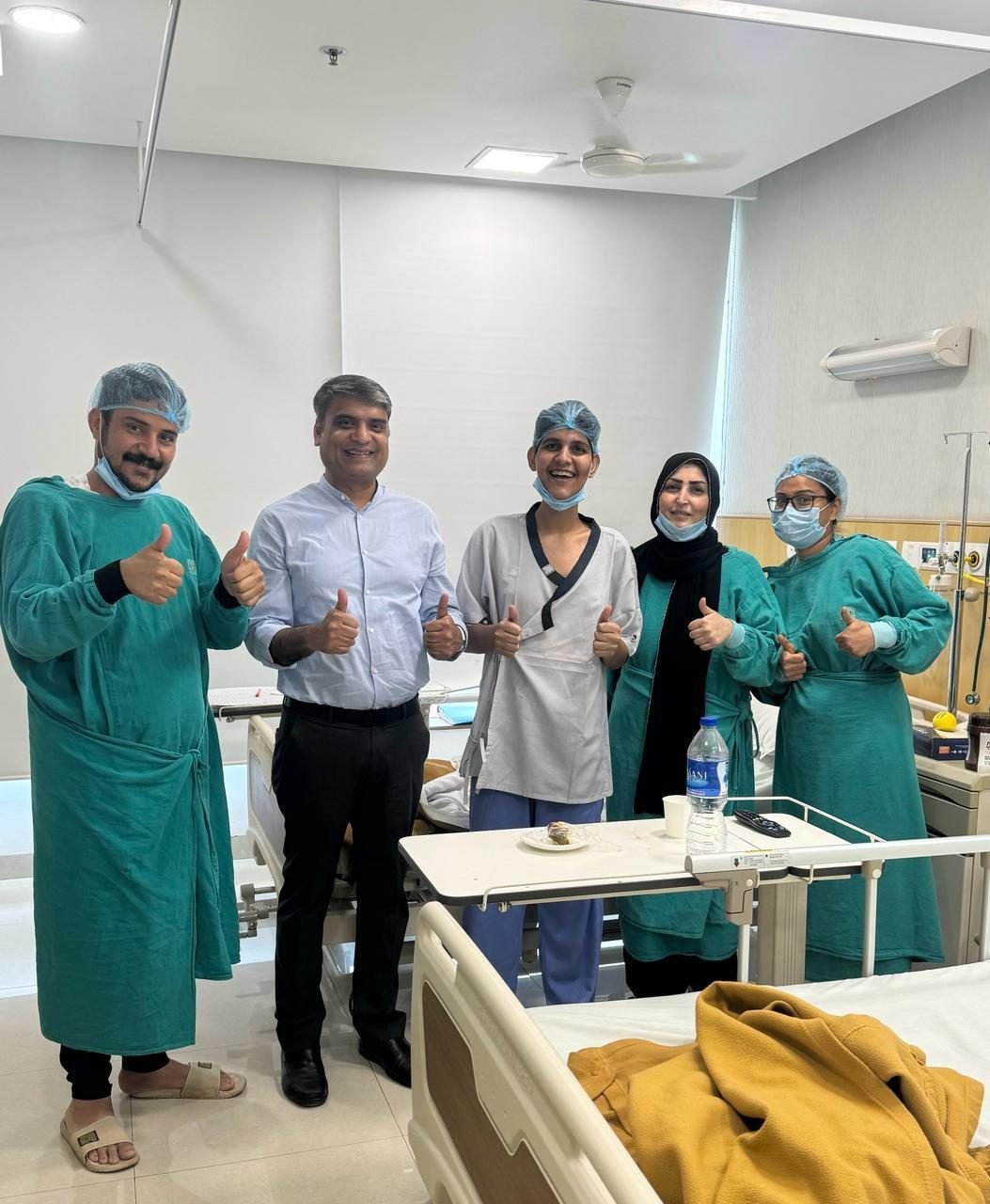
Read the story →International PatientThumbs up at the post-operative ward door — an international patient walks out
Dr Gupta in theatre scrubs, the patient in her own clothes, family on either side and a thumbs-up at the door of the post-operative unit. The photograph every family that travels for surgery hopes to take.
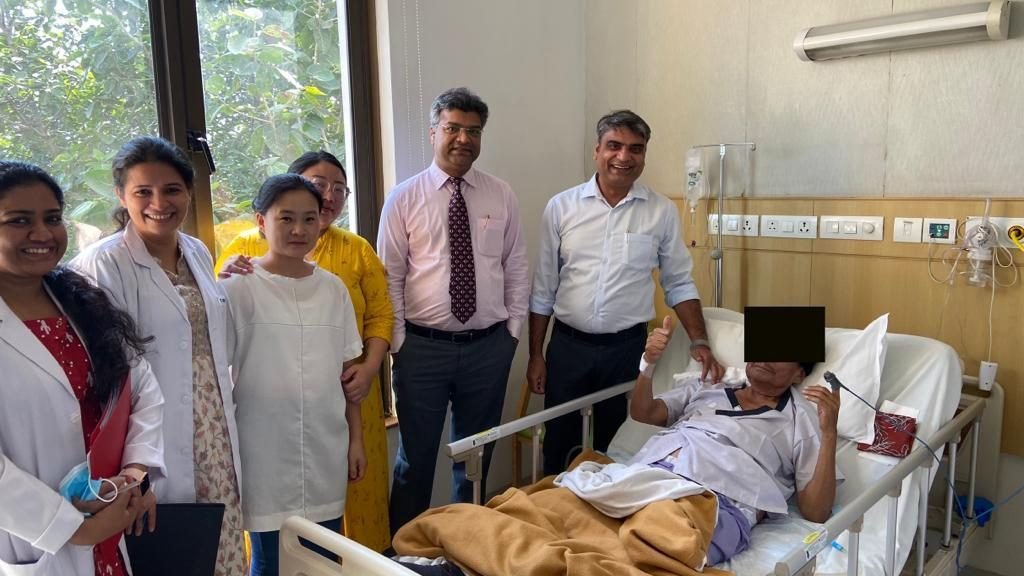
Read the story →International PatientA family that crossed borders for surgery — together at the follow-up
Six people in one OPD room: the patient, the relatives who travelled with them, and Dr Gupta. When a family comes from abroad for surgery, the whole family is looked after — and the follow-up photograph shows it.
Read the story →Conditions international patients most often travel for

Liver Transplant
Living donor & deceased donor liver transplantation
Learn more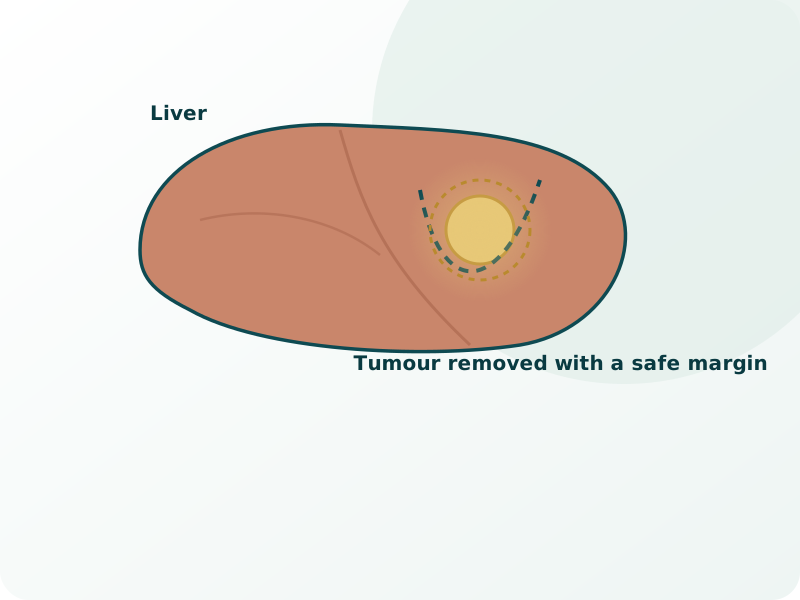
Liver Cancer & Tumour Surgery
Liver resection for HCC, metastases and benign tumours
Learn more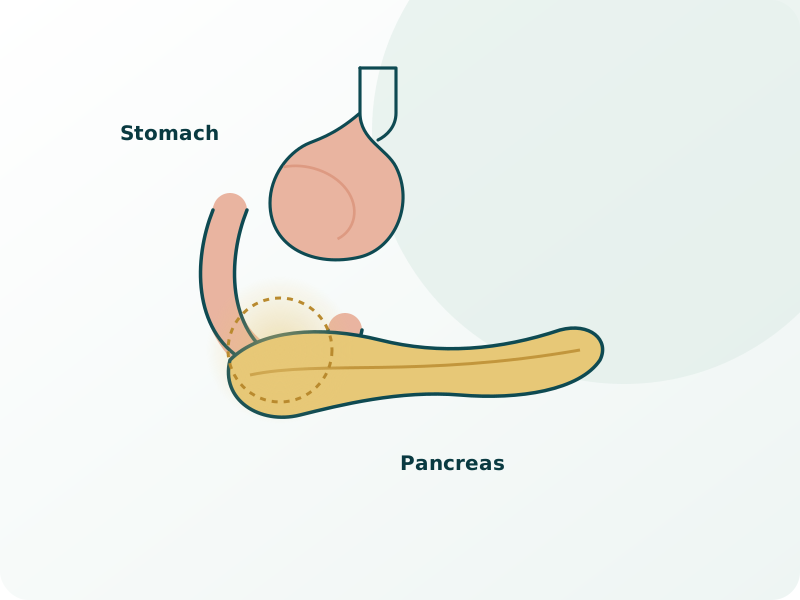
Pancreatic Surgery
Whipple procedure, pancreatic cysts and pancreatitis surgery
Learn more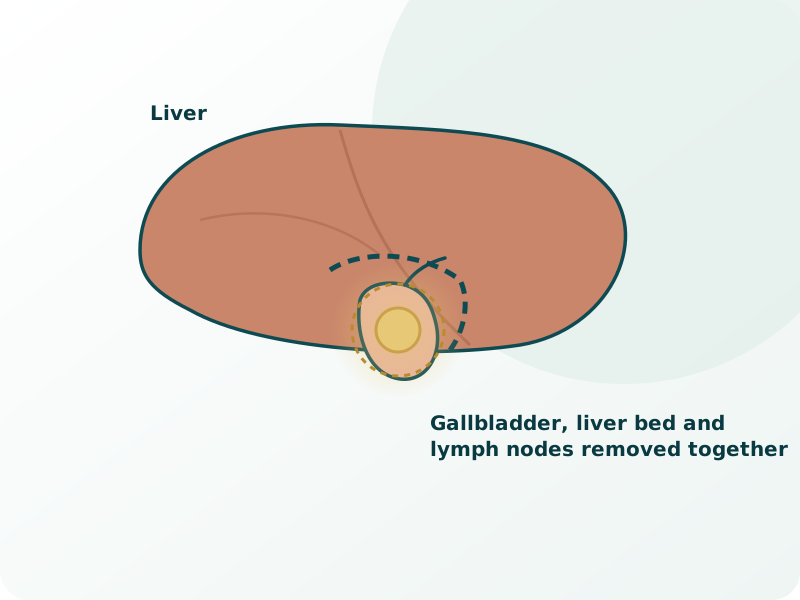
Gallbladder Cancer Surgery
Radical cholecystectomy with liver bed & lymph node clearance
Learn more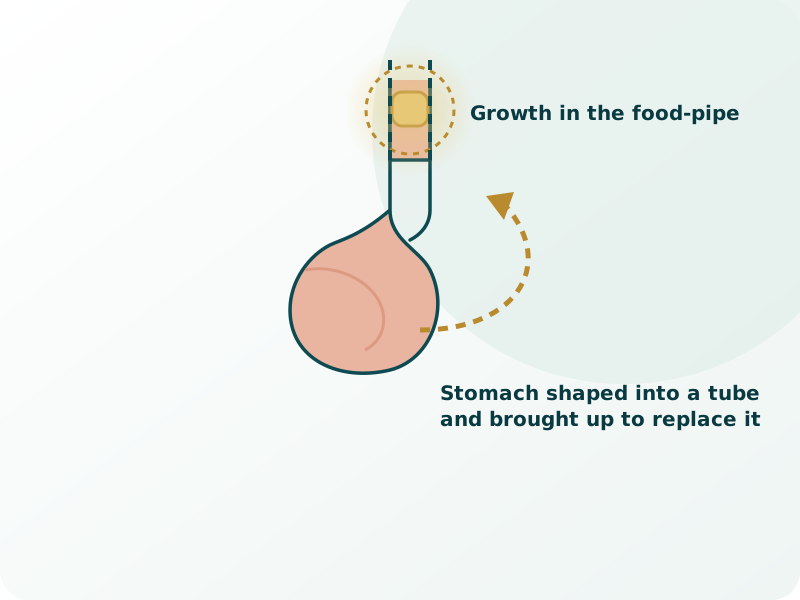
Esophageal (Food-pipe) Cancer Surgery
Minimally invasive & robotic esophagectomy
Learn more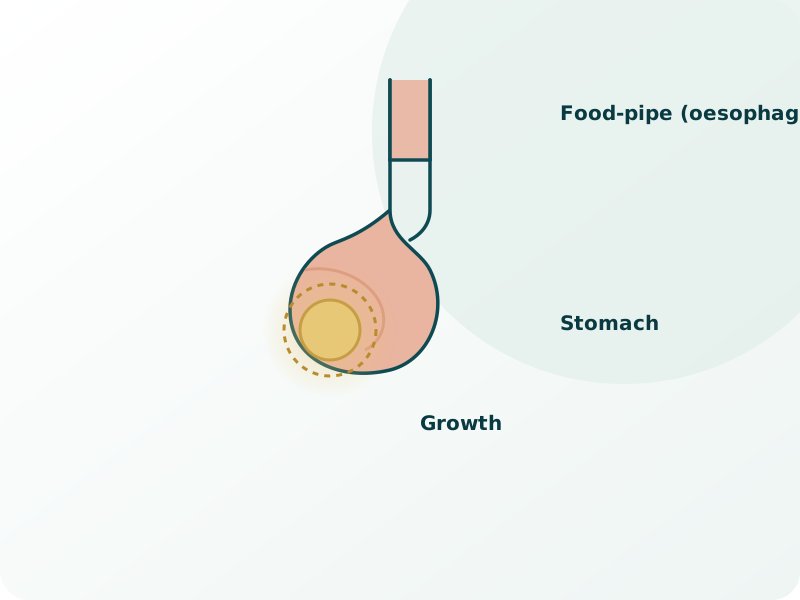
Stomach (Gastric) Cancer Surgery
Laparoscopic & robotic D2 gastrectomy
Learn moreInternational patients — frequently asked questions
How do I get a treatment cost estimate?
Send your reports on WhatsApp. You will receive a written opinion and an estimate for the recommended treatment, hospital stay and room category, usually within 48 hours. The estimate is prepared by the hospital, not by an agent.
Do I need to visit before deciding?
No. Most decisions are made on the reports and a video call with Dr Gupta. You travel once the plan and estimate are agreed.
Which visa do I need?
An Indian Medical Visa (M visa) for the patient and Medical Attendant Visas for up to two companions. The hospital issues the invitation letter required for the application; many countries are eligible for e-Medical Visa online.
Can a family member donate part of their liver if we are not Indian citizens?
Yes, provided the donor is a near relative and the relationship is documented and endorsed by your embassy, as required under Indian transplant law. The transplant coordinator provides the exact document list for your country.
How do we pay?
By bank transfer, international card or cash in most currencies. Deposit and settlement timelines are explained with the estimate. Some international insurers cover treatment in India — send your policy details for confirmation.
What happens after I go home?
You leave with a discharge summary, medicines and a schedule of video follow-ups. Reports done at home are reviewed by Dr Gupta's team on WhatsApp.
What patients say on Google
Send your reports today. Decide with a clear answer in hand.
Opinion and written estimate usually within 48 hours. No agents, no commission — you deal with Dr Gupta's team directly.