Radical Cholecystectomy for Gallbladder Cancer in Noida
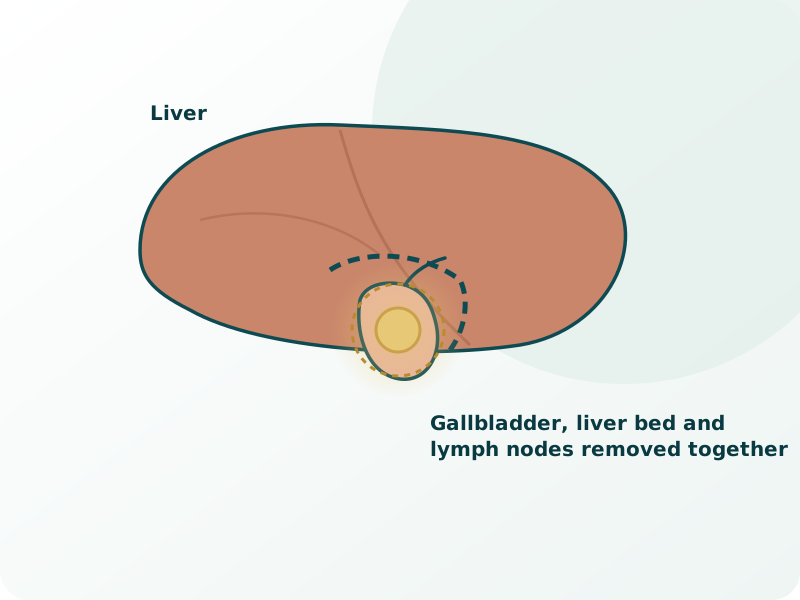
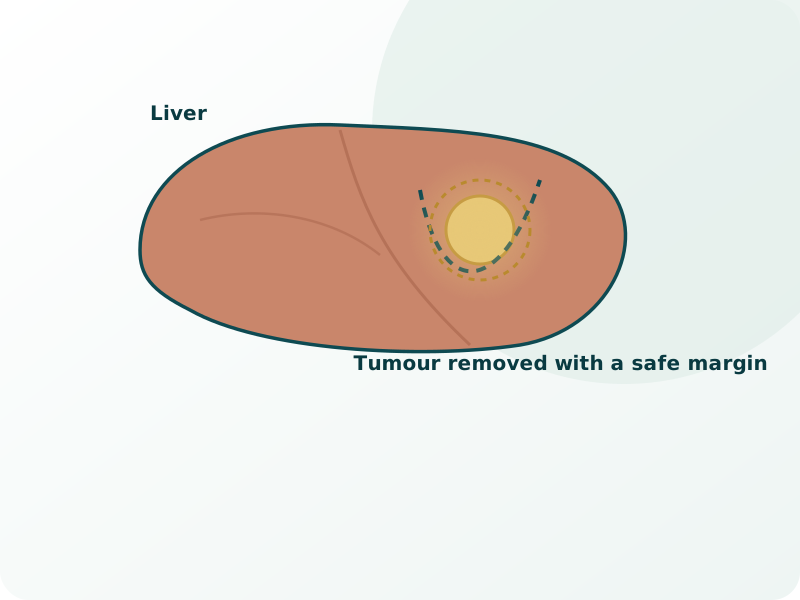
A simple gallbladder removal is not enough for gallbladder cancer. Radical cholecystectomy removes the gallbladder together with a 2–3 cm wedge of the adjoining liver (segments IVb and V) and all the lymph nodes along the bile duct and hepatic artery. Done by a hepatobiliary surgeon in one well-planned operation, it offers the only realistic chance of cure.
Planned vs completion surgery
When cancer is suspected before surgery, radical cholecystectomy is planned from the outset and begins with a staging laparoscopy to rule out spread. When cancer is found only on the biopsy after a routine laparoscopic cholecystectomy (incidental cancer), a completion operation removes the liver bed, lymph nodes and, if needed, the port sites — ideally within 4–8 weeks.
Extent of surgery
For tumours confined to the gallbladder, the liver wedge and lymphadenectomy suffice. If the tumour involves the bile duct, the duct is removed and reconstructed; large tumours may need a formal right hepatectomy or even a pancreaticoduodenectomy. Dr Gupta's transplant training makes these extended procedures safe.

After surgery
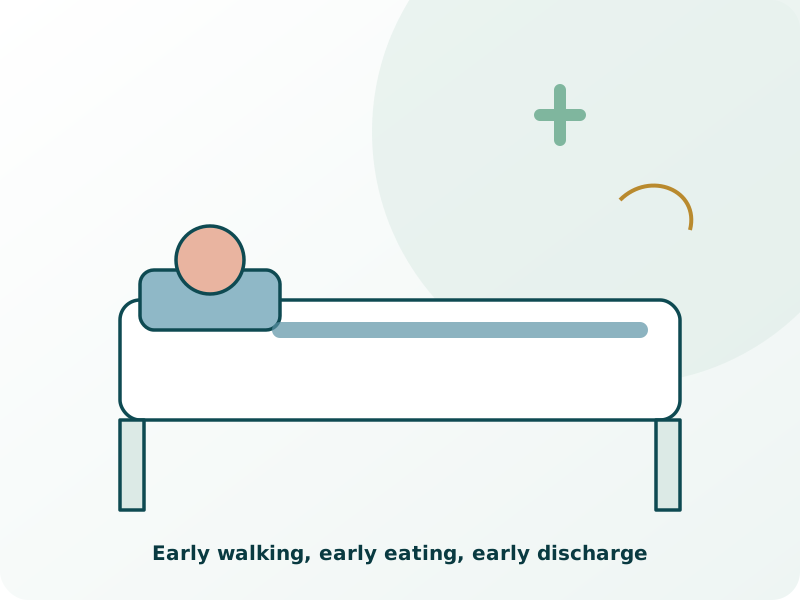
Hospital stay of 5–8 days, normal diet within a week, and adjuvant chemotherapy for most stage II and above tumours, planned at the tumour board.
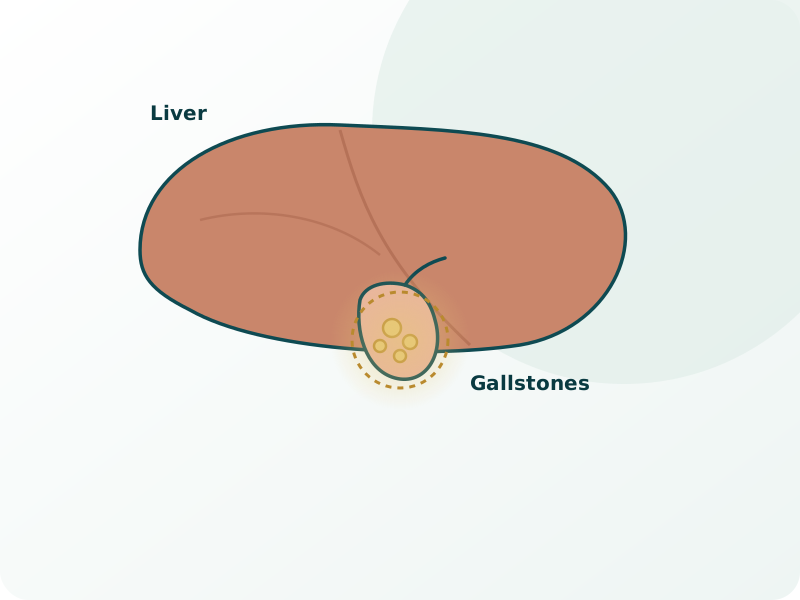
Conditions treated with radical cholecystectomy
Why choose Dr Manoj Gupta for radical cholecystectomy
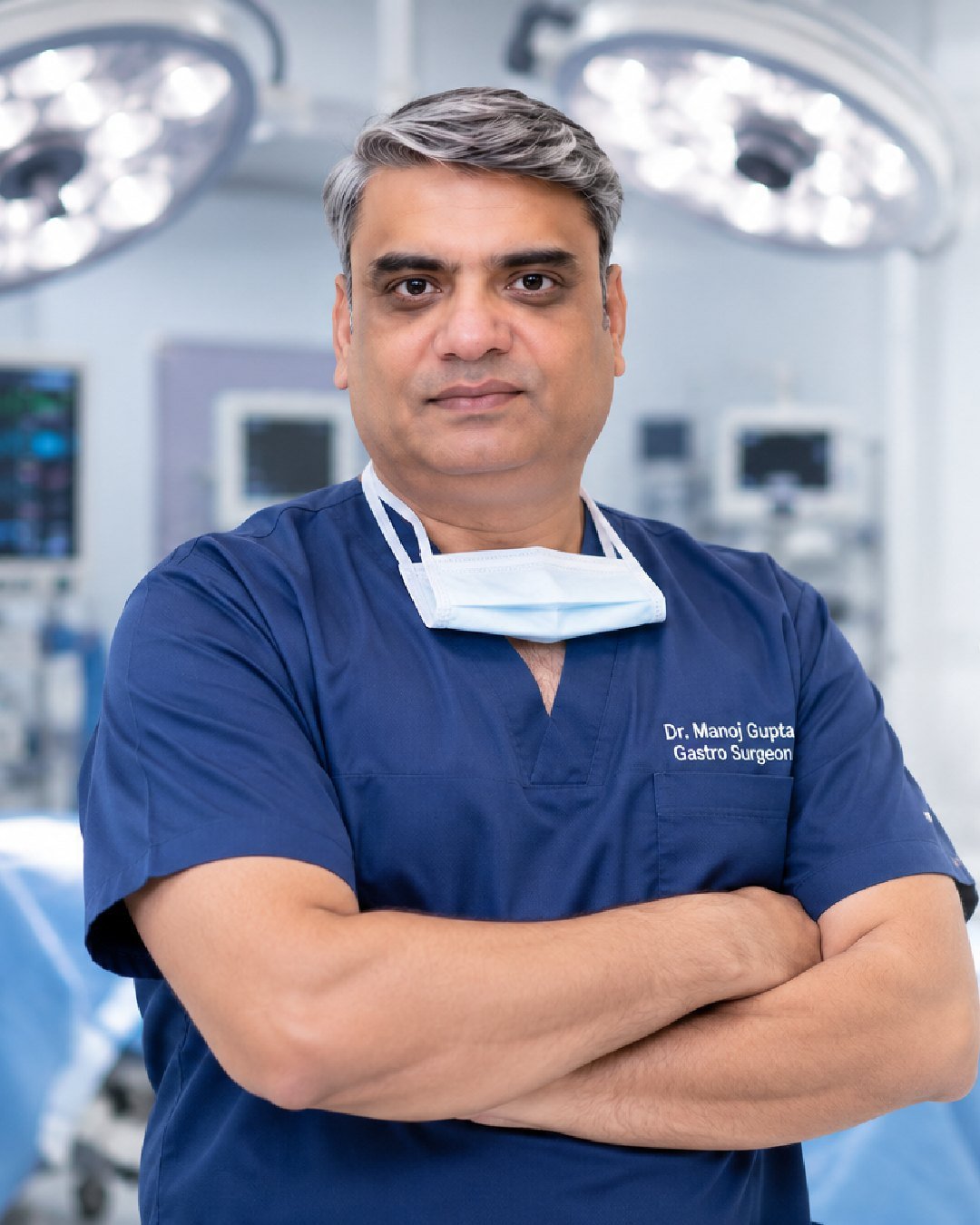
- Senior Director & Head of Robotic and Laparoscopic GI Surgery at Yatharth Super Speciality Hospital — full robotic suite, liver ICU and 24×7 emergency team.
- Trained where the difficult cases go: DNB in GI Surgery at Sir Ganga Ram Hospital, liver transplant fellowships at Apollo and Ganga Ram.
- 500+ liver transplants — the bleeding control and bile-duct skills that make every abdominal operation safer.
- Straight answers. Dr Gupta reviews your scans himself and only recommends surgery when it will help.
Questions about radical cholecystectomy
Is radical cholecystectomy done laparoscopically?
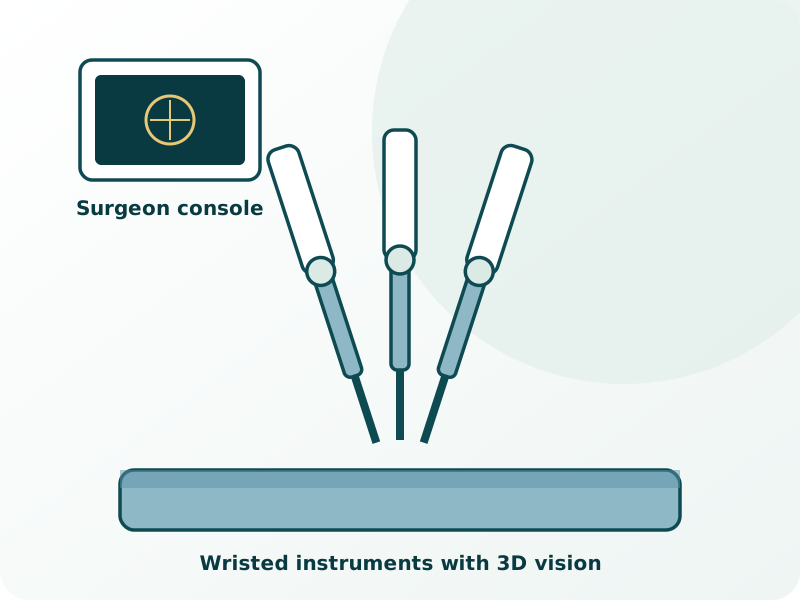
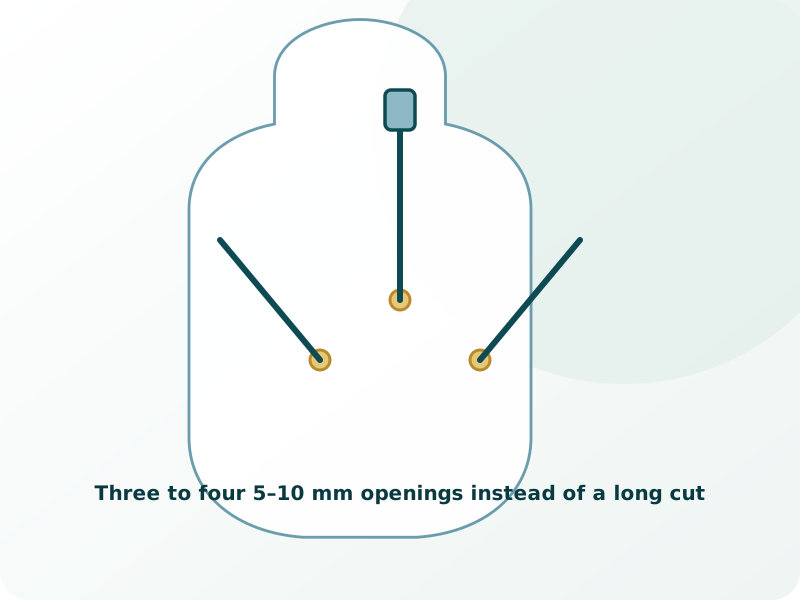
Usually open or robotic, with careful handling to avoid tumour spillage. Robotic radical cholecystectomy is offered to selected early-stage patients.
What is the survival after radical cholecystectomy?
For early-stage (T1b–T2) cancers with negative lymph nodes, five-year survival after complete radical surgery is good. Outcomes depend on stage; delay and incomplete surgery are the main reasons for poor results in North India.
Other procedures
Not sure if you need surgery? Ask first.
Bring your reports for a clear, honest opinion. Same-day and evening appointments available.