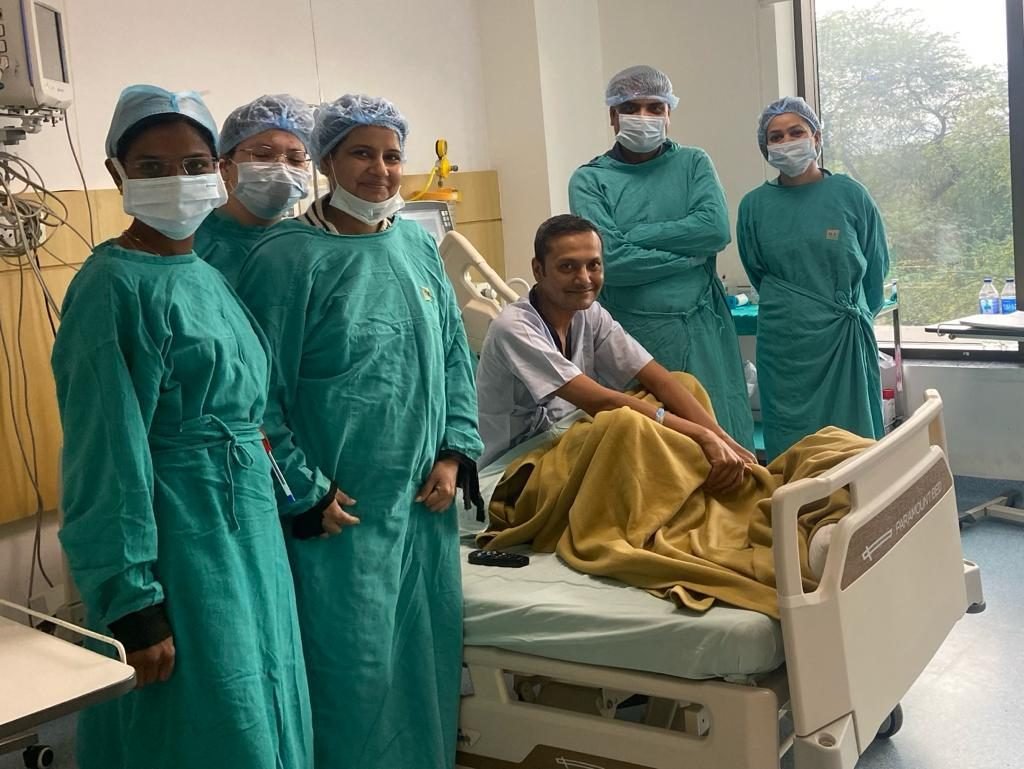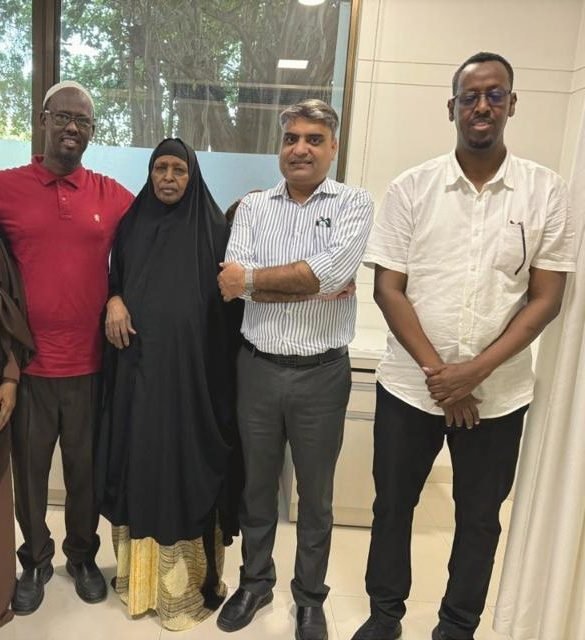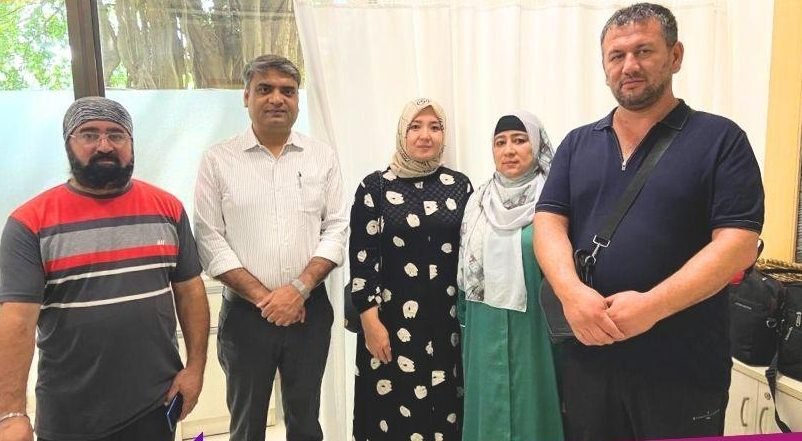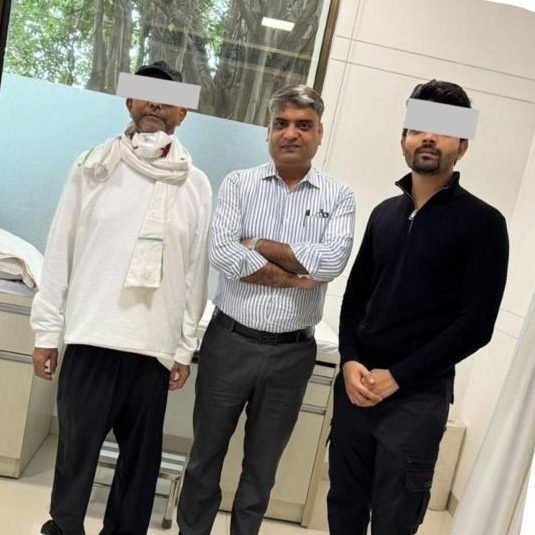
Living donor liver transplant · 1-month review
Why one month matters
The first month after transplant is the period of closest watch: Doppler ultrasound checks the new liver's blood flow, liver tests are drawn twice a week, and immunosuppressant levels are adjusted to the point where rejection is prevented without exposing the patient to infection. Reaching the one-month review with normal tests — as here — means the graft has settled.
The donor's month
For the donor, one month means the binder is gone, the liver has regrown most of its volume and normal activity is resuming. Donors take no long-term medication. Most are back at work between the fourth and sixth week.
The recipient's month
Energy returns, appetite returns, and the yellow tinge and swelling of liver failure are gone. The recipient learns the rhythm of transplant life — tablets at fixed times, hand hygiene, a clean diet, and a transplant coordinator's number that is answered at any hour.
What comes next
Follow-up spaces out: weekly, then fortnightly, then monthly through the first year. By three months most recipients are back at work; by six months, life is close to normal.
“When a donor and a recipient walk into the OPD together, that photograph is the whole point of what we do.”
What this means for you
- Donor and recipient are reviewed together at the hospital or the Indirapuram clinic
- One-month tests: liver function, drug levels, Doppler ultrasound
- Return to work — donor about 4–6 weeks, recipient about 3 months

Dr Manoj Gupta
MBBS, MS, DNB (GI Surgery). Senior Director & Head, Robotic & Laparoscopic GI Surgery, GI Oncology and Liver Transplant, Yatharth Super Speciality Hospital. 20+ years, 500+ liver transplants.
Patient photographs are shared with consent. Identifying details are withheld for privacy; recovery timelines describe the typical course for this type of surgery.